Multitool prototype ideas II
I continue to try new things.
Plinker / reed support
Universal reed wrench (hands free!)
Tuning support for both raising and lowering the pitch
Embossing point
Flatness reference for reed plates
I continue to try new things.
Plinker / reed support
Universal reed wrench (hands free!)
Tuning support for both raising and lowering the pitch
Embossing point
Flatness reference for reed plates
This is a harmonica I customized several years ago that was sent in for service.
It is evident that it is well played. Before I did anything to it, I assessed it. The draw chord was still in perfect tuning.
Why is that?
Here's a realistic video showing raising a reed a semitone and lowering another reed a semitone.
With good technique, you will not change the shape of the reed. This is important because we don't want to undo our work. You can't do reed work and change the shape of a reed without affecting the tuning. So after reed work, you must let the reed settle and then correct the tuning. If you bent the reed out of shape when you tuned it, you'd be stuck in a never ending loop of working against yourself.
After being flattened by hand, my combs sometimes stick together and are ridiculously hard to pull apart. I'm serious. This is a problem that slows me down as I produce these combs.
The available space between two of my Black combs is almost zero. The water in between finds its way into microscopic gaps. With only a potential space between the two combs, atmospheric pressure creates a vacuum between both combs on top of the adhesive and cohesive forces.
Flatness is fundamental. It's the foundation of a loud, powerful instrument.
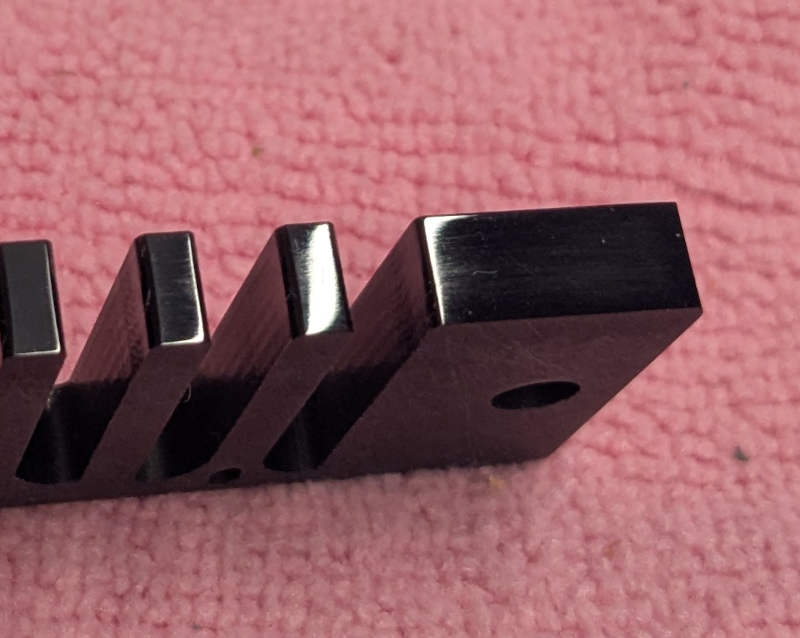
Things are tough all over. Inflation has pushed costs up across the board, and with U.S. tariffs and ongoing supply chain challenges, I can no longer offer Dark combs made from recycled paper and natural resin as a standalone retail product.
Dark combs will continue to be available as part of my custom harmonicas.
 Diatonic harmonica customization was much harder when I started because there was so much bad advice.
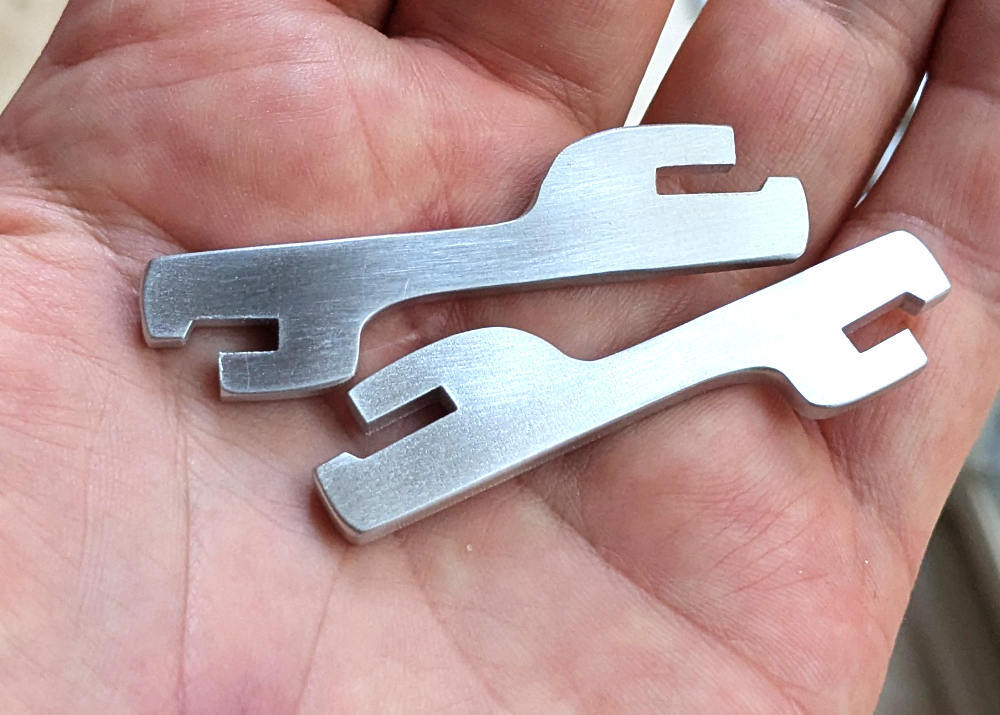
Thanks to U.S. trade policy changes -> "trump tariffs", lol - using certain materials has become unsustainable for small businesses like mine. So I’m making a change.
Some of my tools will now be made of 6061-T6 aluminium. It’s a smart, earth-friendly shift.
An analog strobe tuner like a Peterson 490, Peterson 450, Peterson 420 or a Conn ST11 all use a rotating strobe disk and light flashing at the frequency of the pitch you are playing to show you what you are hearing. You can see more than one note at a time and you get to see how they are, relative to each other.
You are tuning sound at the speed of light. That's something no other tuner - even the so-called digital strobe tuners can't do. They work at about an interval of 100 milliseconds. That's why the needle or any other form of display is so choppy.
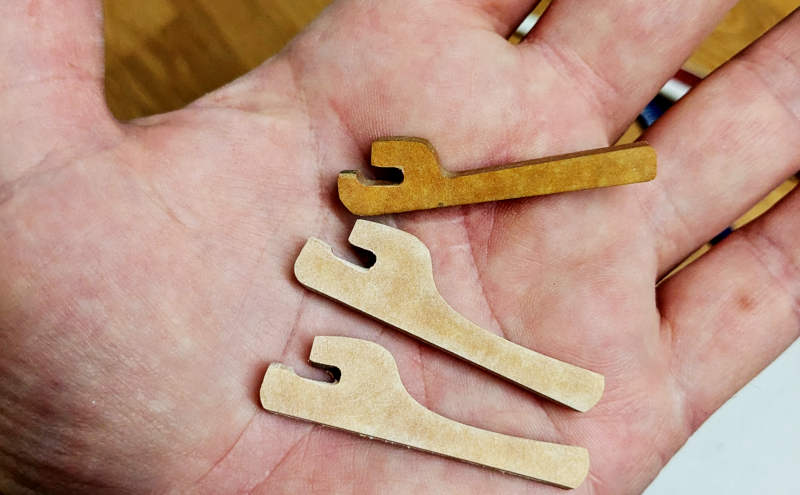 Making both reed plates flat is one of the easiest things you can do to get more power and better control of your harmonica. It's very effective.
All my kits come with some version of the reed plate claws. They are the tools I use to straighten reed plates on my custom harmonicas.
A cover of my favorite song.
Copyright © 2026 Andrew Zajac - All rights reserved